Mold After a Plumbing Leak or Burst Pipe in Danvers, MA
Mold removed from wet walls, cabinet interiors and flooring after a pipe leak in Danvers. Call 24/7 to start your assessment and plan contained cleanup.
- Leak source checked first
- Contained removal and HEPA cleaning
- Moisture readings guide drying
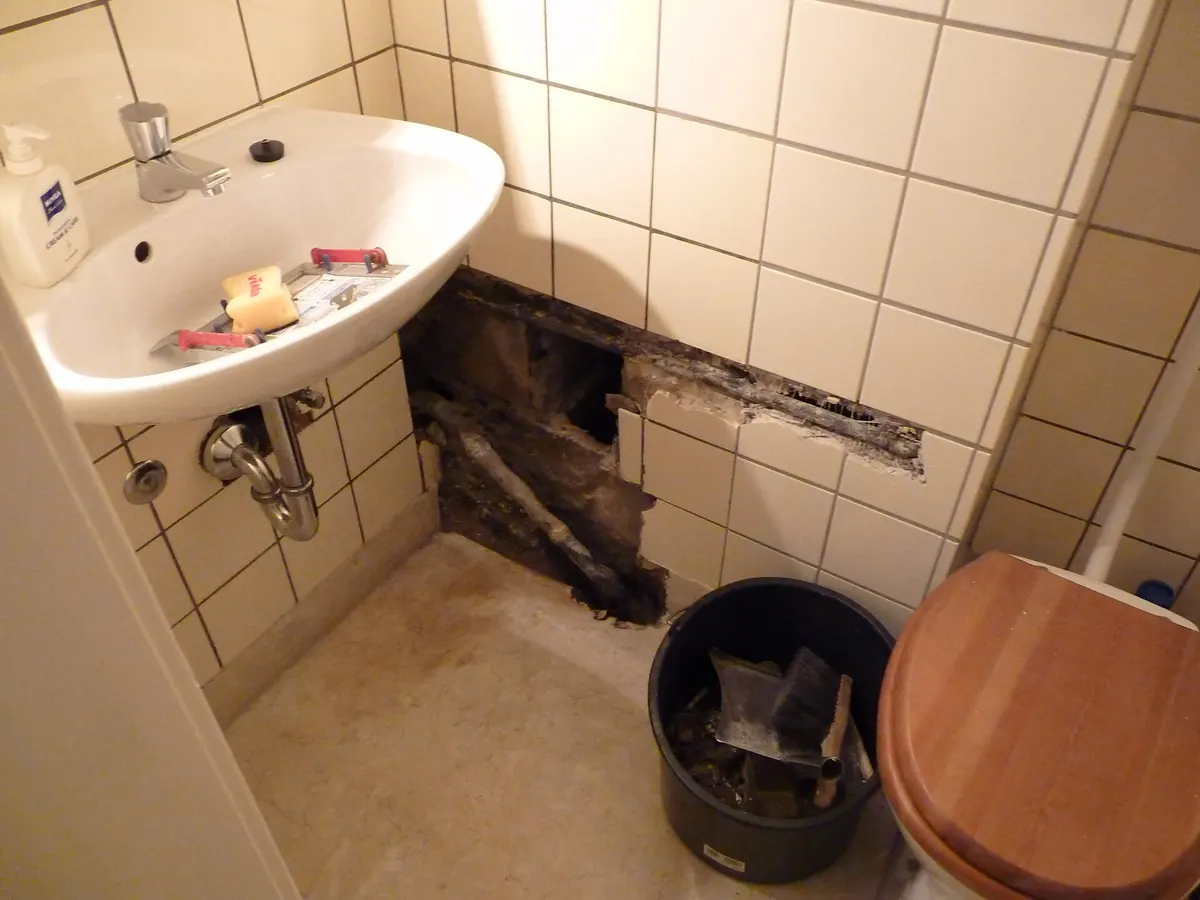
Plumbing Leak Mold Cleanup Services in Danvers
Mold and affected materials are removed after your supply line or drain line leaks, a pipe bursts or a water heater leaks. Your floors, wall cavities and cabinets are checked for moisture out of sight.
Wet cabinet backing is evaluated for removal alongside damp drywall and insulation. Your assessment uses moisture mapping with leak detection to trace water under your sink and behind walls. Sound framing is then cleaned and dried.
Your written scope of work defines containment, removal and drying. Pipe repair and replacement finishes are identified separately when needed. The water problem is corrected before cavities are closed.
- Leak detection and moisture mapping
- Contained work for drywall removal and debris bagging
- Water heater leak and drain line evaluation
- HEPA cleaning and structural drying
- Moisture readings and final checks
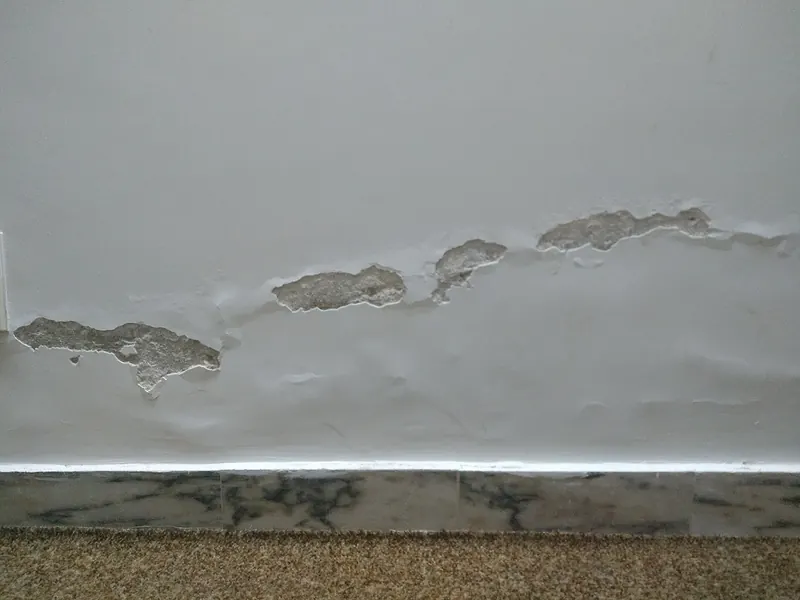
Recognizing the Need for Mold Cleanup After a Plumbing Leak in Essex County
After your leak, look for softened finishes, growth or a musty odor as signs of hidden damage.
Mold Under a Sink
Growth appears on cabinet backing near a supply line, alongside swollen edges.
Mustiness After Leak Repair
Even with dripping stopped, an odor lingers near the pipe.
Ceiling Mold Below Plumbing
Below a fixture upstairs, you see growth, stains and peeling paint.
Mold Beside a Pipe Chase
Spots reappear around plumbing, or a shared bathroom wall develops spreading patches.
Floor Changes After a Burst Pipe
Flooring lifts or soft spots develop along the water path.
Steps in Mold Cleanup Following a Plumbing Leak
Containment and final checks are part of your cleanup along the route the water took.
Leak and Mold Assessment
During your assessment, damage is traced beside pipes and into neighboring rooms. A moisture meter maps dampness; a thermal imaging camera can guide investigation but cannot identify mold.
Moisture Source and Scope
Cleanup proceeds after leak repair is defined. The scope sets out access openings, affected materials and any separate work on plumbing or rebuilding.
Contain the Mold Work Area
A containment barrier, together with poly sheeting, separates the work zone. To limit spreading mold spores, use a HEPA air scrubber, protective equipment and negative air pressure.
Remove Mold-Damaged Materials
Unsavable drywall, insulation and cabinet backing are removed within containment. Bag debris before taking debris out; determine removal boundaries from the damage assessment.
Clean Retained Surfaces
Sound framing receives HEPA vacuum cleaning and suitable damp wiping. Antimicrobial treatment does not replace removal of mold and damaged porous materials.
Dry the Exposed Structure
Controlled airflow works with dehumidification to dry the framing and floor layers you keep. Moisture readings track structural drying while the plumbing source is corrected.
Verify and Remove Containment
Post-remediation verification covers dryness, cleaning and control of the source. An independent assessor conducts clearance testing when specified, ahead of containment removal and cavity closure.
Why Consider Boston Mold Removal Services for Mold Cleanup After a Plumbing Leak
Contained Mold Removal
As damaged materials are taken from your home, HEPA filtration and containment restrict particle spread.
Cleaning Through Final Checks
Before removing containment, final checks follow cleaning and drying of the surfaces left in place.
Leak Source First
Your assessment follows the failed pipe's water path into flooring, walls and cabinet layers.
Calls Answered 24/7
Your mold assessment after a plumbing leak starts with one number across Greater Boston, nights and weekends included.
Clear Scope Before Removal
Your drying requirements, removal boundaries and separate repair tasks are explained ahead of work.
Greater Boston Steps Before Mold Cleanup Following a Plumbing Leak
Avoid disturbing affected materials. Arrange your assessment by calling.
- Stop Incoming Water. Use the shutoff only if safe. Plumbing help may be necessary.
- Avoid Wet Electrical Equipment. Keep clear of water beside wiring, fixtures or outlets.
- Leave Mold in Place. Avoid scraping growth and never direct air movers toward it.
- Keep the Area Clear. Keep everyone, including pets, clear of sagging ceilings and damaged rooms.
- Leave Affected HVAC Off. EPA recommends keeping potentially mold-contaminated HVAC equipment switched off.
Understanding Your Plumbing Leak Mold Cleanup Cost in Danvers
Removal size and required drying shape your cost. Published figures separate inspection, small leak repairs and combined damage. Overlapping charges are accounted for in your work scope.
Combined water and mold damage
$2,700 to $10,000 per jobSource: Fixr, Mold Remediation Cost (checked 2026-10-23)Small leak repair corrects the source, leaving mold untreated
$150 to $350 per repairSource: Fixr, Mold Remediation Cost (checked 2026-10-23)Inspection only, no testing
$300 to $600 per inspectionSource: Fixr, Mold Inspection Cost (checked 2026-10-23)How Your Pipe Leak Cleanup Cost Can Vary
- Duration of water intrusion
- Containment and HEPA filtration needs
- Drying equipment and monitoring
- Access behind cabinets or flooring
- Separate plumbing and rebuilding work
- Affected area in square feet
Your Price for Repairs and Cleanup
These published national ranges are planning figures. Your on-site assessment defines the work and price before cleanup starts, including any separate source repairs or rebuilding.
Call (844) 352-3560 about costMold After a Plumbing Leak or Burst Pipe Service Area Across Greater Boston
Call (844) 352-3560 to arrange cleanup in Danvers or nearby communities. One number covers the metro.
Mold After a Plumbing Leak or Burst Pipe in Locations Near Danvers
ZIP codes
Frequently Asked Questions About Mold After a Plumbing Leak or Burst Pipe in Danvers
Will mold return after the leaking pipe is repaired?
Mold can return if damp materials or another moisture source remain. Existing growth remains even though pipe repair stops the water. Your cleanup includes removal, cleaning and drying. Check framing you keep and hidden layers before repairs enclose those areas again.
Is the plumbing leak fixed as part of cleanup?
During assessment, the moisture source is located and needed corrective work identified. You might need a separate plumber; pipe repair is covered only if specified in your scope. After controlling the source, cleanup tackles mold. Additional access may be necessary for a hidden leak or frozen pipe.
Does the entire kitchen need removal after a sink leak?
Your removal limits depend on damage and access. Sound units can remain even if wet drywall, swollen cabinet backing or flooring needs removal. Under the sink and behind cabinets, assessment determines your removal boundary. Your scope may change as removal reveals damage.
What mold cleanup cost should you expect after a plumbing leak in Essex County?
Access, the affected area and the condition of materials determine your price. Consult cost cards for sourced inspection, small leak repair and cleanup ranges, with units shown separately. Your total depends on drying, containment and replacement finishes. Your scope defines included work before it starts.
How long does plumbing leak cleanup take in Danvers?
Your schedule follows the leak path and affected materials. Cabinet cleaning is a different task from opening wall cavities and drying floor layers. Gauge progress using moisture readings. Pipe repair, access and verification affect when replacement finishes go in and your room can reopen.
Should air be tested before removal or after the work?
EPA says air sampling is usually unnecessary when visible mold is present. Your cleanup area is determined through inspection and moisture checks. Verify cleaning and drying ahead of removing containment. When required, clearance testing falls to an assessor who is independent. Indoor mold levels have no federally established limit.
During plumbing leak mold cleanup, can you remain at home?
You may stay when occupied rooms remain separate from containment and debris routes. Shared ventilation, water shutoff or loss of your only bathroom can make that impractical. Your assessment defines access restrictions before removal, including whether temporary arrangements are needed.
Massachusetts Insurance Considerations for Plumbing Leak Mold
The cause, deductible, limits on mold coverage and terms of your homeowners policy affect insurance coverage. Claim decisions can differ between sudden accidental damage and repeated seepage.
Plumbing Leak Mold Safety in Massachusetts
Safety measures for your cleanup reflect material damage, water origin and access risks.
Contaminated Drain Water
Sewage or contaminated water calls for a professional experienced with that type of damage.
Mold Color
You cannot judge mold risk by color, according to CDC. Dark coloration alone cannot establish the growth's species.
Damaged Ceilings and Floors
Sagging ceilings and soft flooring need assessment before access or removal.
Sensitive Occupants
According to CDC, some people experience allergy and asthma symptoms triggered by mold.
Cleanup scope: EPA notes that homeowner cleanup is often suitable for areas under about 10 square feet. Professional assistance is needed for contaminated water, larger affected areas or HVAC involvement.
After a Leak in Essex County: Mold-Damaged Materials
Damaged layers may be removed while your sound surfaces get cleaned.
Sound framing and subfloor
- When accessible wood can be kept based on condition, cleaning and drying follow.
Drywall, insulation and cabinetry
- Removal may be necessary for moldy insulation, cabinet backing that has swollen and damaged drywall.
Non-porous surfaces
- Tile and metal in sound condition are cleaned alongside accessible, washable plumbing fixtures.
Plumbing Leak Mold Cleanup Timing in Essex County
Access, the amount removed and measured moisture guide your timing.
- Opening concealed areas: Shared pipe chases and cabinet bases, together with floor layers, influence how damage is reached.
- Drying retained materials: Moisture readings track the drying process for exposed framing and subfloor.
- Restoring room use: When you reopen is affected by final verification and any separate repairs to plumbing or finishes.
After Leak Repair: Musty Odor in Danvers
Checks of dampness and materials investigate a musty smell that remains in your home. Dehumidification neither repairs your plumbing leak nor removes cabinet backing with mold.
EPA advises an ideal indoor relative humidity of 30 to 50 percent and a level below 60 percent. You still need cleanup even when humidity is controlled.
Massachusetts Requirements for Plumbing Leak Mold Work
State Mold Requirements
The Massachusetts Department of Public Health mold guidance describes cleanup practices and local enforcement, and it does not point to a statewide mold remediation license. Ask any contractor about their mold training, and check with your city or town about local contractor rules.
EPA Guidelines for Drying
EPA recommends a 24 to 48 hours drying window for water-damaged areas and items to prevent mold growth.
Plumbing and Rebuilding Work
Permit needs vary with the electrical, structural and plumbing repairs in your scope.
State Mold Information
The Massachusetts Department of Public Health, Bureau of Climate and Environmental Health runs an Indoor Air Quality Program. Its guidance says the way to control mold is to control moisture, and that routine mold testing is generally not recommended.
State guidance: Mass.gov, Guidance Regarding Testing for Mold in Water-Damaged Public Buildings (MA DPH Indoor Air Quality Program); Mass.gov, Massachusetts law about landlord and tenant (Trial Court Law Libraries, quoting MA DPH guide for occupants)
Related Services and Next Steps
Start Your Mold After a Plumbing Leak or Burst Pipe in Danvers
Call 24/7 to arrange your assessment. Your cleanup starts with the affected surfaces, moisture source and access to your home.